The Chemistry of a Healthy Smile: Understanding Mouth pH and Tooth Decay

Understanding Mouth pH: The Secret to a Cavity-Free Smile
When most people think about oral health, they focus on brushing, flossing, and avoiding too much candy. However, there is a hidden chemical factor that plays a massive role in the health of your teeth: your mouth's pH level. As dental professionals, we often see how a chronic imbalance in oral acidity can lead to rapid tooth decay and sensitivity, even in patients with diligent hygiene habits.
What is Mouth pH and Why Does it Matter?
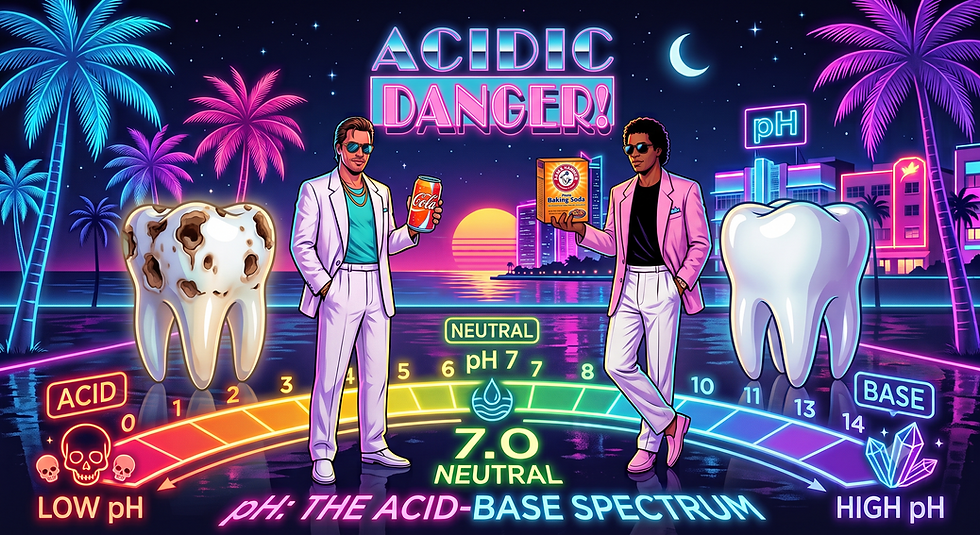
The pH scale measures how acidic or alkaline a substance is, ranging from 0 (highly acidic) to 14 (highly alkaline). A neutral pH is 7.0. In a healthy mouth, saliva typically maintains a pH between 6.2 and 7.6.
Your saliva is your mouth's primary defense system. It contains minerals like calcium and phosphate that help rebuild tooth enamel. However, when the pH level in your mouth drops below the 'critical' level of 5.5, the environment becomes acidic enough to start dissolving your enamel. This process is known as demineralization, and it is the first step toward developing cavities.
Common Triggers for an Acidic Mouth
Every time you eat or drink something acidic or sugary, your mouth pH drops. Common culprits include:
Sugary Snacks and Beverages: Bacteria in your mouth consume sugar and produce acid as a byproduct.
Acidic Drinks: Soda, sports drinks, and even sparkling water can significantly lower your pH.
Frequent Snacking: If you graze throughout the day, your saliva never gets the chance to return the mouth to a neutral state.
Dry Mouth (Xerostomia): Without enough saliva to buffer acids, the mouth remains in a danger zone for longer periods.
How to Balance Your Oral pH
Achieving a healthy pH balance is simpler than you might think. Here are a few professional recommendations:
1. Rinse with Water: After consuming something acidic or sugary, rinse your mouth with plain water to help neutralize the environment.
2. Wait to Brush: If you've just eaten something acidic (like citrus fruit), wait at least 30 minutes before brushing. Brushing immediately can actually scrub away enamel softened by acid.
3. Choose Alkaline Snacks: Foods like cheese, nuts, and vegetables can help raise the pH level in your mouth.
4. Stay Hydrated: Drinking plenty of water ensures your body can produce adequate saliva.
5. Use Xylitol: Xylitol-sweetened gum can stimulate saliva production and inhibit the growth of acid-producing bacteria.
The Role of Professional Dental Care
Regular dental checkups are essential for monitoring the state of your enamel and identifying signs of acid erosion before they become painful or expensive problems. During your cleaning, we can provide personalized advice and professional-grade treatments to help fortify your teeth against acidic attacks.
Maintaining a balanced mouth pH is about more than just avoiding sweets; it is about creating an environment where your teeth can thrive. If you are experiencing tooth sensitivity or frequent cavities, contact our office today to schedule a comprehensive examination.


Comments